Estimate

Tree risk assessment

Is that big oak by the house safe? We look closely for decay, cracks and root problems, and give you a straight answer.

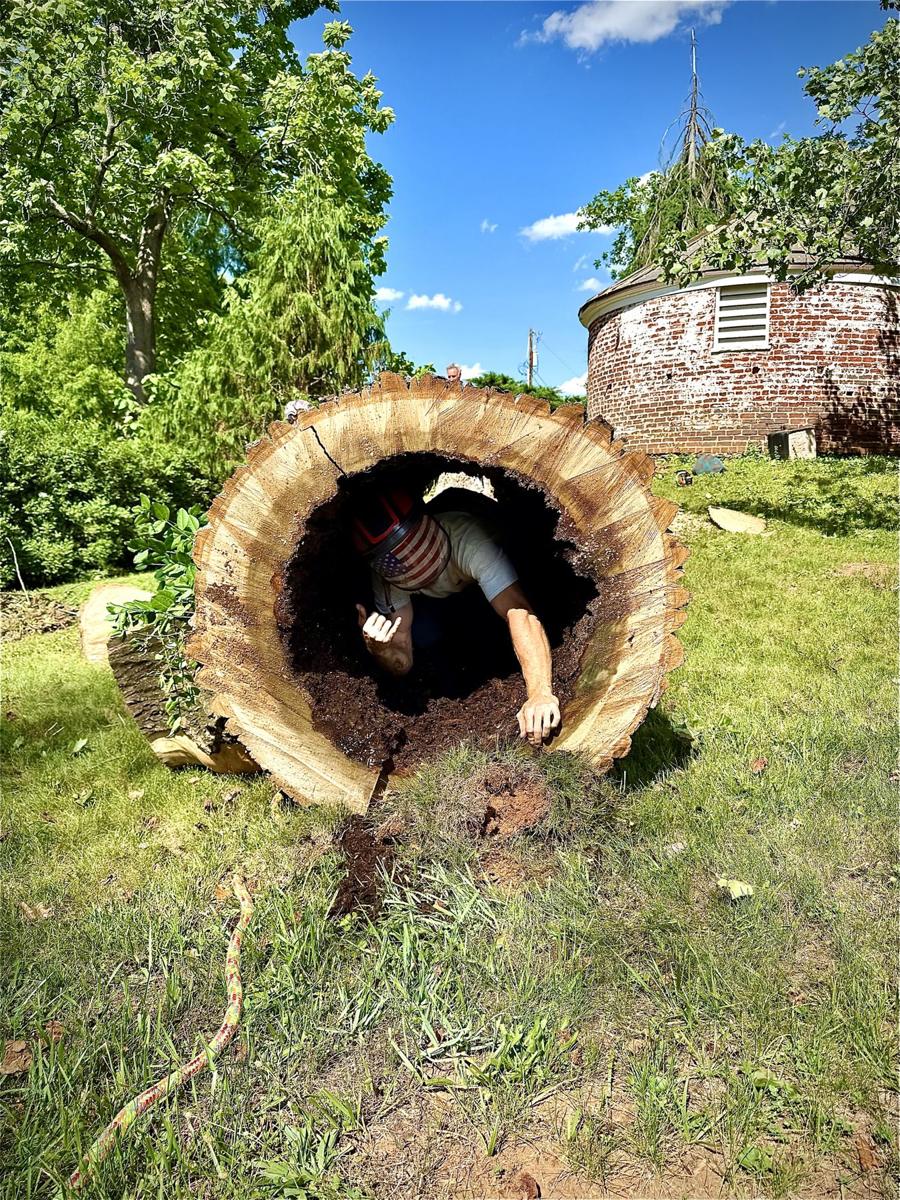
A crew member crawling through a hollow trunk section that looked solid from outside
5.0 on Nextdoor & Google298 Nextdoor recommendations500+ jobs completedLicensed, bonded & insured

Trees can look fine and still be hollow

The trunk in the photo above looked solid from the outside. Decay, internal cracks and root damage often don't show until a tree fails or is cut. An assessment catches these problems while you still have choices.
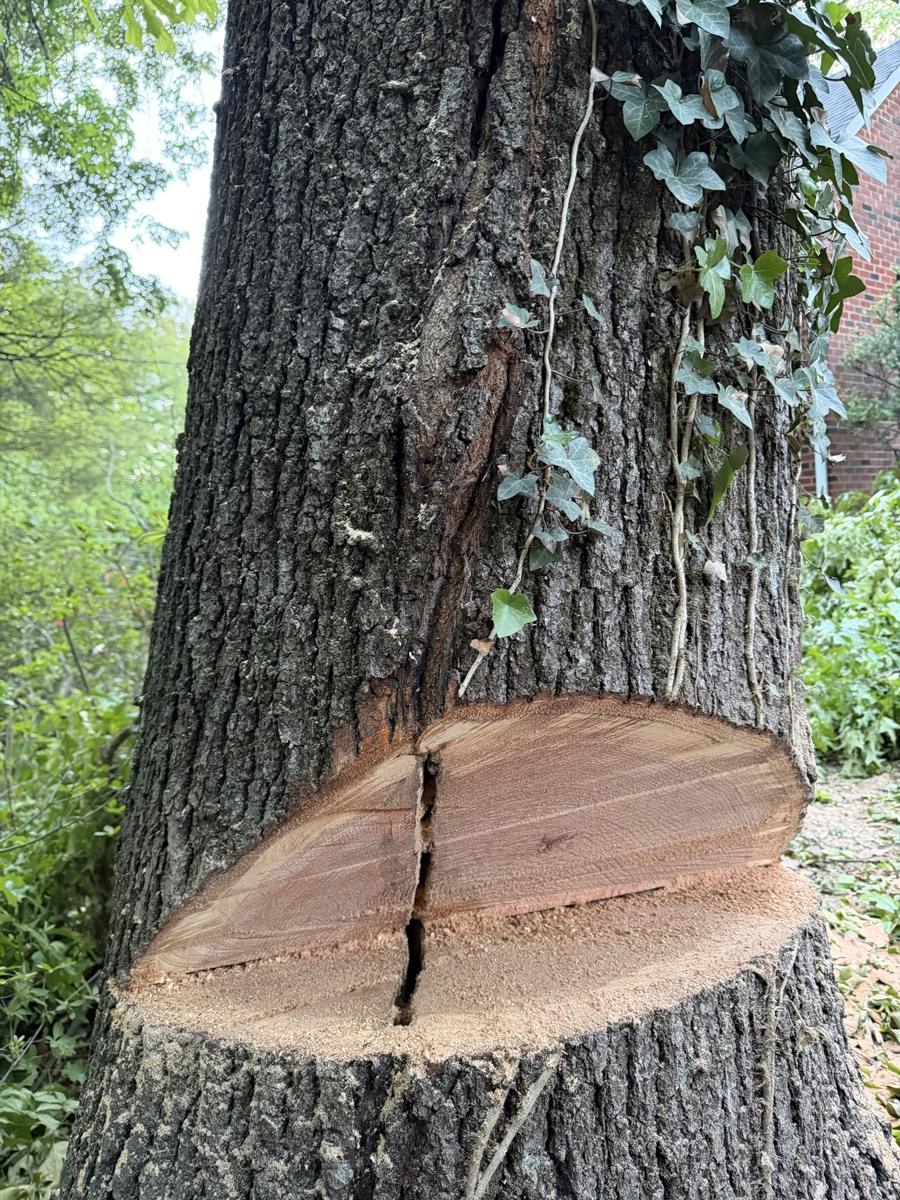
A felling cut revealing a crack running through the middle of the trunk
A crack hidden inside a trunk, found during the cut.

Signs a tree needs a look

  • Dead or hanging branches, or bare limbs in summer.
  • Cracks or splits in the trunk, especially where two main stems meet in a tight V.
  • A new or worsening lean, or heaving soil on the side away from the lean.
  • Mushrooms, fungus or soft wood at the base.
  • Recent digging, a new driveway or grading near the roots.

What you get

We walk the tree from roots to crown and look at the trunk, the unions between major stems, the root zone and what the tree would hit if it failed. Then you get a plain-language recommendation: leave it, prune it, or remove it, and why.

Questions

How do I know if a tree needs to be removed?

Look for dead or dying branches, visible decay, cracks in the trunk, a lean, or root damage. If you're unsure, we'll evaluate the tree and recommend the best option.

Can a tree be hollow and still be safe?

Sometimes. It depends on how much sound wood is left, where the decay is and what the tree could hit. That's what an assessment is for.

Is the assessment free?

Estimates are free. Tell us what you're worried about when you call and we'll come take a look.

Start with a
conversation